
Using Alternative Data to Assess Immediate Economic Impacts of Crises – Conflict and Natural Disasters#
This cutting-edge course is designed to equip students with the skills necessary to utilize alternative data sources for the immediate assessment of economic impacts caused by crises, such as conflicts and natural disasters. Participants will engage in a learning journey that begins with a refresher on essential coding skills and progresses through the exploration of both open-source and proprietary data.
Through practical, hands-on examples, students will learn to extract and interpret key economic trends in the wake of disaster scenarios. They will delve into innovative methodologies, using nighttime lights for power outage analysis, movement data to track migration patterns and activity, Synthetic Aperture Radar (SAR) for damage assessments, and social media data for insights into internet connectivity.
Learning Objectives#
Refresh skills in Python, QGIS, Jupyter Notebooks, and GitHub for data analysis and code collaboration.
Understand range of open-source and proprietary alternative data sources and how to access them.
Identify key economic indicators for crisis impact assessments.
Execute hands-on analysis of alternative data to measure these indicators.
Synthesize course concepts to analyze the economic impact of a recent crisis on using alternative data.
Present results as a collaborative webbook for dissemination.
Participants will develop the competencies to navigate and analyze diverse data sets, equipping them with practical skills for real-world economic impact analysis in the context of crises.
Participants’ Qualifications#
Participants should have some prior Python coding experience, previous knowledge of Pandas and Geopandas is desired but not mandatory. All the course will be held in Python so you should feel comfortable with reading and writing this language. If you have doubts on whether you are prepared to take the course, try solving this exercise (GPT model allowed) and you will get a sense of how difficult will it be. Sample solution is here.
Course overview#
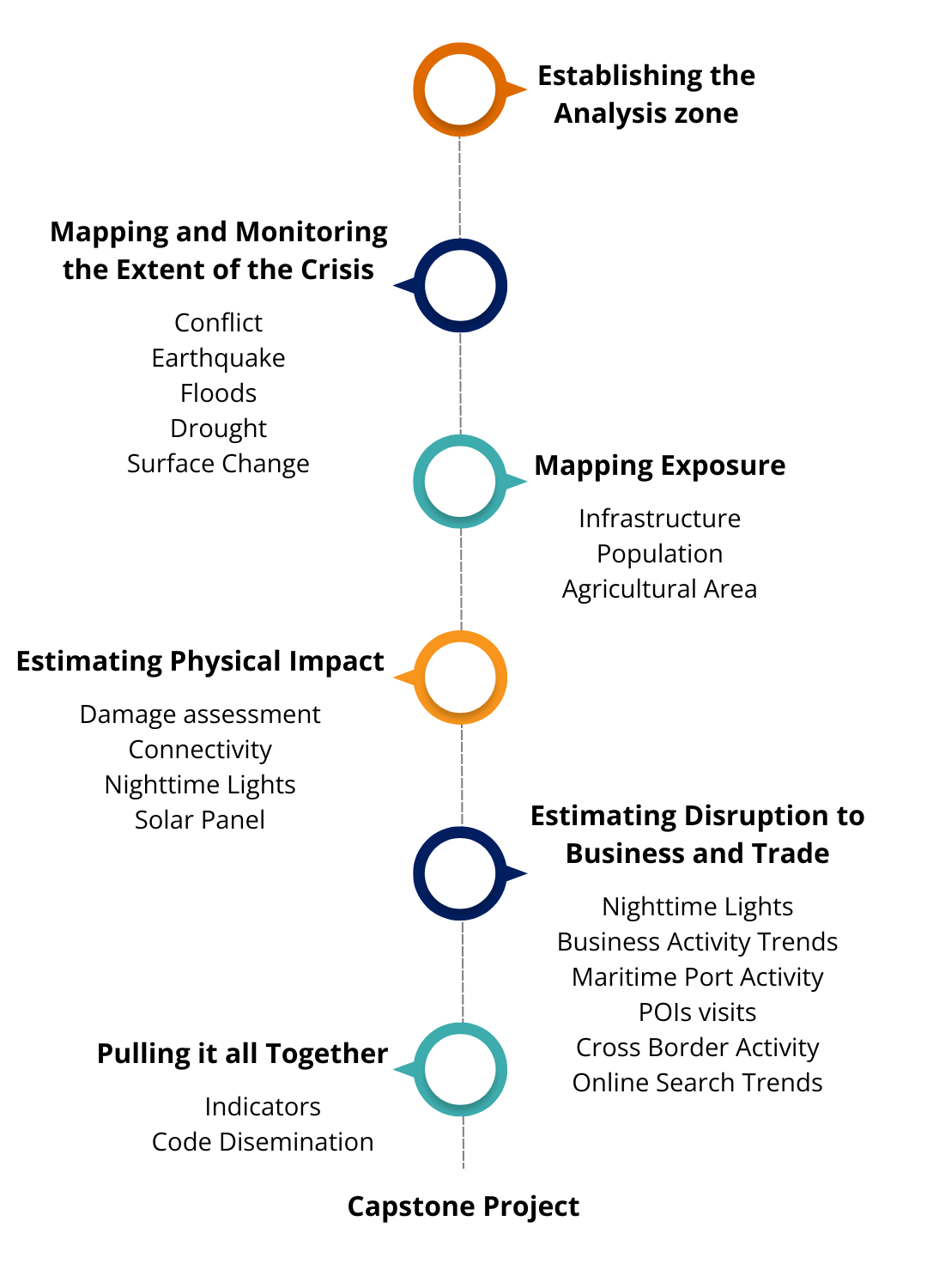
Fig. 1 Learning roadmap for the course.#
Instructors#


Code of Conduct#
The World Bank Data Lab template used to create this project maintains a Code of Conduct to ensure an inclusive and respectful environment for everyone. Please adhere to it in all interactions within our community.
License#
This project is licensed under the MIT License together with the World Bank IGO Rider. The Rider is purely procedural: it reserves all privileges and immunities enjoyed by the World Bank, without adding restrictions to the MIT permissions. Please review both files before using, distributing or contributing.